Learning from Mistakes: Public Lecture on the Importance of a Constructive Culture of Learning from Mistakes in Organizations
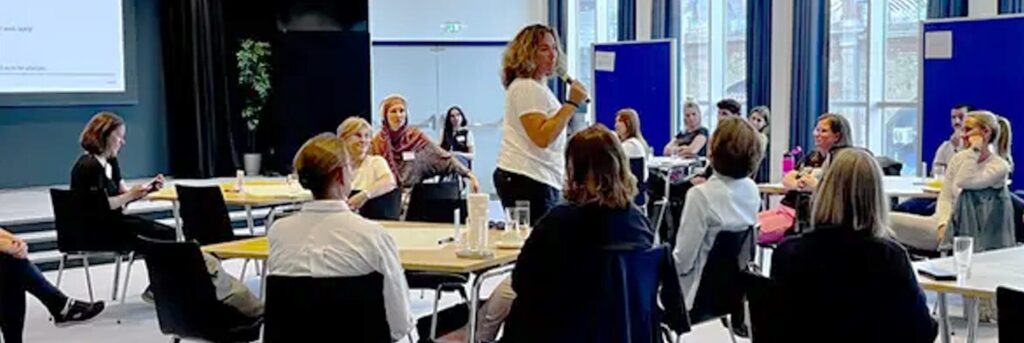
As part of a public lecture at the Ferdinand Porsche FERNFH, Dr. Alexander Klamar provided insights on June 1, 2026, into the latest scientific findings on the topic of error culture in organizations. In a presentation titled “Learning from Mistakes and Error Culture in Organizations,” the organizational and social psychologist explained how companies and teams can not only avoid mistakes but, above all, use them constructively to foster learning and development.
The event, moderated by MMag.a Angelika Werth, director of the Human Resources Development course at the Institute for Economics and Psychology at Ferdinand Porsche FERNFH, focused on the question of how organizations can create conditions that enable an open and productive approach to dealing with mistakes.
Mistakes as Opportunities for Learning and Innovation
Dr. Alexander Klamar made it clear that, despite all efforts, errors cannot be completely avoided. Therefore, what matters is not only error prevention, but also the ability of organizations to learn from errors and deal with them appropriately. Errors can have negative consequences, but at the same time, they form an important foundation for learning processes and innovation. New ideas, products, or processes often arise through adaptation and further development. A positive culture of error creates the conditions for openly reflecting on experiences and deriving improvements from them.
Communication and Leadership as Factors for Success
Another key focus was on the importance of communication and leadership in dealing with mistakes. Open discussions about mistakes make it possible to identify problems early on, minimize negative consequences, and promote shared learning. Leaders play a central role in this by creating an atmosphere in which mistakes are not concealed but can be used as learning opportunities.
Scientific Insights for Practical Application
The public lecture offered participants the opportunity to link academic perspectives with practical experiences and to reflect on how to deal with mistakes in various organizational contexts.