Guest Lecture: Aging in Austria – Focus on Health and Quality of Life
As part of the 10th anniversary of FERNFH’s bachelor’s degree program in Aging Services Management, an online guest lecture featuring Dr. med. univ. Richard Felsinger took place on March 17, 2025. In his lecture, the general practitioner and public health expert highlighted key aspects of aging and their impact on the quality of life of the elderly population.
In his guest lecture—which was also part ofthe ÖGPH’s30th-anniversary event series—Dr. Felsinger pointed out thatlife expectancyhas been rising steadily worldwide for two centuries. However, a brief decline in life expectancy was observed due to the COVID-19 pandemic; in Austria, it fell by about0.6 to 0.7 years. Statistics show that the average life expectancy in Austria currently stands at84.2 years for women and 79.4 years for men(Statistik Austria).
According to projections, by 2050,one in six people worldwide willbe over 65 years old. In Austria, the proportion of people over 65 will rise from the current 20% to about28% by 2050.
Years of Healthy Life: How Healthy Will We Be as We Age?
A long life alone does not necessarily mean a healthy life. What matters are the so-calledhealthy life years (HLYs), which indicate how long people live without serious health limitations. In the EU, the average number of healthy life years is62.8 years for women and 62.4 years for men. Austria falls below this average, with61.3 years for women and 60.6 years for men.
An alternative calculation method used by Statistics Austria, based on the Austrian Health Survey, shows slightly higher figures:63.1 years for men and 64.7 years for women(2019). Nevertheless, one thing remains clear: In Austria, many people spend the final years of their lives with health limitations.
Quality of Life in Old Age: What Factors Play a Role?
The study onthe quality of life of older adults in Austria, conducted by the presenter and his team, used WHO-based questionnaires and analyzed data from over 10,000 participants in the Austrian Health Surveys (2006, 2014, 2019). The results show:
- Education and income are key factors in a high quality of life.People with higher levels of education report a better quality of life, even in old age.
- Women have a lower quality of lifethan men in almost all areas—with the exception of social relationships. However, this difference disappears when income and education are taken into account.
- An east-west divideis evident in both overall life expectancy and healthy life expectancy—people in western federal states report a higher quality of life than those in the east.
How can the quality of life in old age be improved?
Dr. Felsinger emphasized the need for targeted policy measures to improve the quality of life for older adults. These include:
- Targeted prevention programs that promote healthy behaviors such as physical activity, nutrition, and smoking cessation.
- Local health initiatives that promote social participation and networking among older adults (e.g., “social prescribing”).
- Better social protection to reduce inequalities—because the link between income and quality of life has been scientifically proven.
In the long term, it is essential not only to increase life expectancy but also to ensure that the additional years are spent in good health.
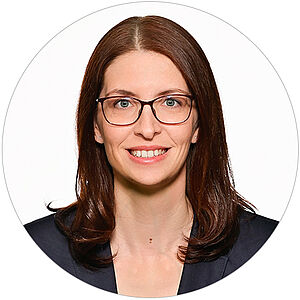
Mag.aTanja Adamcik, Program Director of the Bachelor's program in Aging Services Management, on the lecture:
“In his lecture, Dr. Felsinger emphasizes the importance of health promotion, prevention, and social participation for quality of life—key topics in our Aging Services Management program. An inspiring presentation offering valuable insights for the future! I am particularly pleased by the large number of participants, which underscores the high level of interest in this important topic, as well as by our collaboration with the ÖGPH in organizing this guest lecture.”
Additional information and a video of the presentation
With this insightful lecture, Dr. Felsinger provided valuable insights for the academic and societal discussion ofaging and quality of life in Austria.
Are you interested inhealth management,demographic change, andquality of life in old age? Then find out more now about ourbachelor’s program in Aging Services Management at FERNFH!
Did you miss the guest lecture?
No problem—we recorded it for you: