Digital Hoarding and Piracy – Prof. Dr. Matea Kos Koklić shed light on the dark side of digital consumption.
In an online lecture on March 19, 2025, Prof. Dr. Matea Kos Koklić examined the psychological mechanisms behind digital hoarding and piracy and explained how the sense of “psychological ownership” shapes our behavior in the digital world.
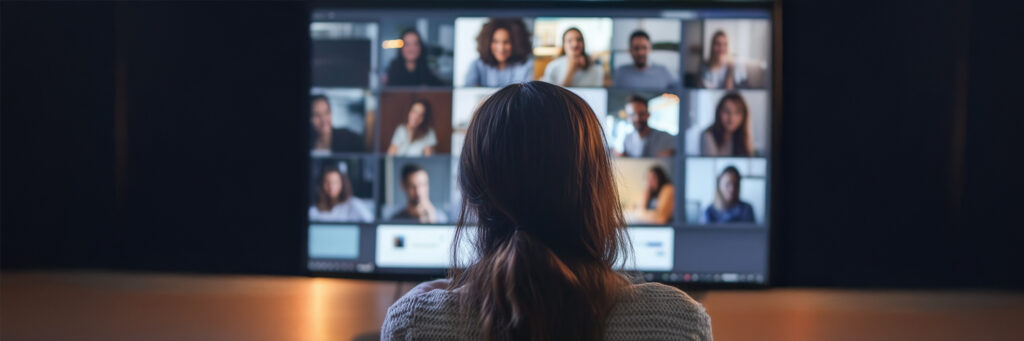
Prof.Dr. MateaKos Koklić, a professor at the University of Ljubljana, provided a fascinating insight into the dark side of digital consumption as part of FERNFH’s International Researchers’ Lecture Series. The online lecture explored the psychological mechanisms behind digital hoarding and piracy and highlighted how these behaviors influence individual and societal life.
Psychological Ownership – Why Do We Collect Digital Content?
A central theme in Kos Kolić’s presentation was the concept of “psychological ownership.” This refers to the feeling of owning digital content—such as movies, music, or software—even though one has no legal claim to it. These “feelings of ownership” lead to digital hoarding: users collect large amounts of content without ever deleting it. But behind this seemingly harmless habit lies more than just a space issue. Digital hoarding also has psychological consequences, as it is linked to the desire to never miss out on anything and to maintain control over one’s own collection.
The organizer of the lecture and principal investigator for research projects,Priv. Doz.in Mag.a Dr.inEva Hofmann,was also impressed by this topic:“I found the aspect of hoarding digital media—whether photos, music, or other files—particularly fascinating. It shows just how much our digital consumption behavior is shaped by psychological mechanisms.”
Digital Piracy – More Than Just a Violation of the Law
In his online lecture, Kos Koklić also addressed digital piracy, an issue that primarily affects younger generations. The desire for immediate access to movies, music, and software—often coupled with the high cost of legal options—explains the widespread prevalence of illegal downloads. It is particularly striking that Generation Z, in particular, tends to consume digital content without a license. This raises not only legal questions but also deeper ethical and economic ones.
How Cultural Factors Influence Our Digital Behavior
Another important aspect of Kos Koklić’s research is cultural influences. Her study showed that values such as individualism versus collectivism, as well as the avoidance of uncertainty, strongly shape behavior in the digital space. For example, people from collectivist cultures tend to have more ethical concerns about piracy, while hoarding digital content is more common in individualistic cultures.
In her empirical study, Kos Kolić examined how the sense of ownership of digital content encourages both hoarding and piracy. The result: These behaviors lead to increased stress levels and negatively impact users’ mental well-being.
Economic and Legal Implications – A Complex Issue
In conclusion, Kos Koklić pointed out that digital hoarding and piracy not only have personal consequences but also entail economic and legal repercussions. Given the increasing digitization of our society, it is essential to understand these phenomena and develop solutions to minimize their negative impact on society.
Did you miss the presentation?
Here is the full presentation for your reference: