Voting Better – Choosing Acceptable Compromises
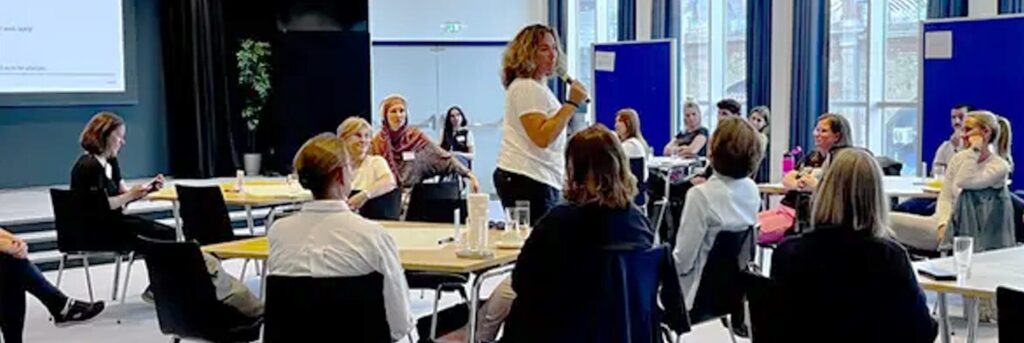
How do electoral systems influence our political decisions—and how can compromise be strengthened? Prof. Dr. Carlos Alós-Ferrer addressed these questions on May 14, 2025, in an online lecture as part of the “International Women Researchers” series.
Research Meets Practice
Prof. Dr. Carlos Alós-Ferrer, a behavioral economist at Lancaster University Management School (UK) and editor of the *Journal of Economic Psychology*, demonstrated in his presentation that extreme election results are attributable not only to social polarization but also to the voting methods themselves.
Based on numerous laboratory and online experiments, Alós-Ferrer demonstrated that common voting procedures often encourage self-interested decisions. Alternative models, on the other hand, lead to fairer, compromise-oriented, and more efficient outcomes.
The event offered not only students but also interested members of the general public a fascinating insight into research in business psychology, while also highlighting the social relevance of this work, particularly in light of current political developments. One thing becomes clear in the end: In the future, it will become increasingly important to find alternatives to existing voting decision-making processes.
Did you miss the presentation?
Here's a recap of yesterday's event:
About the “International Researchers” Series
Through its “International Researchers” event series, FERNFH brings the latest research findings from the academic departments related to its degree programs to a broad audience. International scholars discuss their research topics, their societal relevance, and specific applications—in a way that is clear and accessible to students, alumni, staff, and anyone else interested.
The series is conceived and moderated byPriv.-Doz.inMag.aDr.inEva Hofmann, Principal Investigator at FERNFH and Honorary Secretary of the International Association for Research in Economic Psychology (IAREP).